Our Impact:

The Fellowship

Evaluation Methodology

This evaluation was conducted by Puerta Abierta Performance Consulting LLC. Cohort 5 data was collected by IMV and analyzed by Puerta Abierta using the ROI Methodology (Phillips, 2003): a five-level framework that moves from inputs through satisfaction, learning, application, and business impact. Note that Puerta Abierta was not involved in data collection for Cohort 5; evaluation work began after the cohort concluded. Full Level 5 ROI will be applied to Cohort 6.

Keeping Teachers in the Classroom

The Fellowship upskilled 250 educators in multilingual education in Cohort 5 (Oct '24 - May '25), achieving near-perfect post-test scores. More than 60% of participants demonstrated the highest classroom application proficiency, and the program generated $8,018 per educator in avoided turnover costs.

90%

of educators gave The Fellowship its highest overall rating

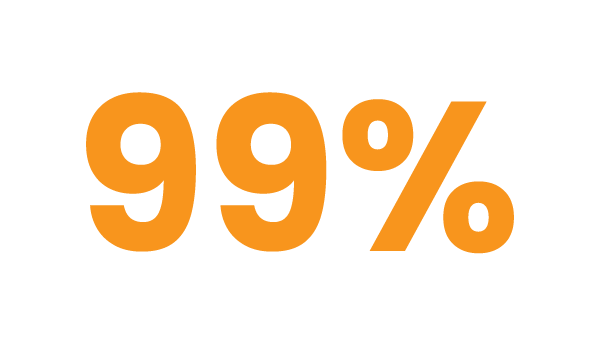
99%

of module post-test scores increased vs. pre-test

100%

of Alumni Survey respondents are still working in education

77%

of educators attribute retention directly to The Fellowship

Participant Satisfaction

Evaluation begins with reaction: does the program hold up from the educator's point of view? This section reflects Level 1 of our evaluation framework, capturing how Cohort 5 participants rated their overall experience, recommended The Fellowship to peers, and responded to specific program components.

89.7% of respondents gave The Fellowship the highest possible overall rating

86.7% are highly likely to recommend The Fellowship to a colleague

Spanish crews averaged 3.8+/4 satisfaction; English crews averaged 3.7/4

Online community board was rated the most helpful structural component

1:1 coaching sessions rated positively by all 18 educators who used them

Learning

Level 2 asks whether educators actually left with more than they came in with. This section reflects Level 2 of our evaluation framework, measuring pre/post-test score increases and self-assessed skill gains across Cohort 5's four Fellowship modules.

of module post-test scores increased compared to pre-test scores, across all four Fellowship modules
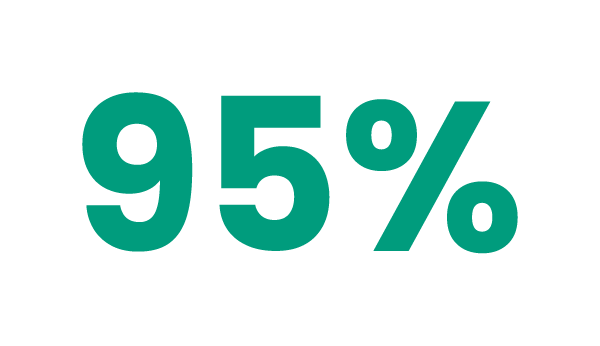
of educators rated their own skill improvement a 3 or 4 (out of 4) across all six Fellowship survey areas

Application of Learning

Level 3 asks a harder question than reaction or knowledge gain: did the learning actually change behavior? This section reflects Level 3 of our evaluation framework, examining how Cohort 5 educators applied Fellowship content through classroom performance tasks and through evaluations conducted by their school administrators.

63%

of educators who taught a live classroom lesson (Route 1) scored at the top of the proficiency rubric

75%

of educators who tried specific teaching moves (Route 2) scored at the top of the proficiency rubric

4 : 1

Administrators confirmed educators applied skills in class at a 4:1 positive ratio across all four Fellowship content areas

Application of Learning

Level 3 asks a harder question than reaction or knowledge gain: did the learning actually change behavior? This section reflects Level 3 of our evaluation framework, examining how Cohort 5 educators applied Fellowship content through classroom performance tasks and through evaluations conducted by their school administrators.

63%

of educators who taught a live classroom lesson (Route 1) scored at the top of the proficiency rubric

75%

of educators who tried specific teaching moves (Route 2) scored at the top of the proficiency rubric

4 : 1

Administrators confirmed educators applied skills in class at a 4:1 positive ratio across all four Fellowship content areas

Application of Learning

Level 3 asks a harder question than reaction or knowledge gain: did the learning actually change behavior? This section reflects Level 3 of our evaluation framework, examining how Cohort 5 educators applied Fellowship content through classroom performance tasks and through evaluations conducted by their school administrators.

63%

of educators who taught a live classroom lesson (Route 1) scored at the top of the proficiency rubric

75%

of educators who tried specific teaching moves (Route 2) scored at the top of the proficiency rubric

4 : 1

Administrators confirmed educators applied skills in class at a 4:1 positive ratio across all four Fellowship content areas

Financial Impact

Level 4 asks how a program contributes to the bottom line. This section reflects Level 4 of our evaluation framework, quantifying The Fellowship's effect on educator retention and career advancement in actionable terms for IMV’s leadership and funders.

$272,617

in avoided turnover costs generated by The Fellowship

$8,018

in avoided turnover costs per educator retained after The Fellowship

17 of 57

alumni reported advancing to a higher professional role

100%

of Alumni Survey respondents are still working in education

77%

of educators attribute retention directly to The Fellowship

60%

of Alumni Survey respondents now serve as teachers of record

Turnover costs $11,860–$24,930/educator (Tan & Patrick, 2024). Conservative lower-bound used per Phillips ROI Methodology.

Financial Impact

Level 4 asks how a program contributes to the bottom line. This section reflects Level 4 of our evaluation framework, quantifying The Fellowship's effect on educator retention and career advancement in actionable terms for IMV’s leadership and funders.

$272,617

in avoided turnover costs generated by The Fellowship

$8,018

in avoided turnover costs per educator retained after The Fellowship

17 of 57

alumni reported advancing to a higher professional role

100%

of Alumni Survey respondents are still working in education

77%

of educators attribute retention directly to The Fellowship

60%

of Alumni Survey respondents now serve as teachers of record

Turnover costs $11,860–$24,930/educator (Tan & Patrick, 2024). Conservative lower-bound used per Phillips ROI Methodology.